Analog Workflows for Digital Lives, Reimagined
Step into a calmer, sharper way to work where paper, pens, and tactile rituals complement your devices. Today we explore Analog Workflows for Digital Lives, blending notebooks, index cards, wall boards, and mindful timing with respectful digital sync. Expect stories, practical setups, and gentle constraints that speed thinking, reduce noise, and make modern output feel human, accountable, and delightfully sustainable. Share your setup and subscribe for fresh experiments that respect attention and deliver results.
Why Slow Tools Speed Up Thinking
Counterintuitively, slowing input with handwriting, index cards, and physical boards reduces cognitive switching and boosts recall. Research consistently links handwriting to deeper encoding and clearer comprehension, while constrained surfaces cut options and clarify intent. We will map how deliberate friction, visible boundaries, and rhythmic review create momentum, shorten feedback loops, and help complex digital work land faster, cleaner, and with less rework.

Designing a Hybrid Capture System
{{SECTION_SUBTITLE}}

Choosing the Right Paper Companions
Select a durable notebook that opens flat, holds fountain ink, and tolerates weather, then pair it with index cards for transient tasks. One book per quarter limits bulk and forces closure. A bold inbox mark on each new page signals capture mode instantly, even mid-conversation, without interrupting rapport or eye contact.

Indexing Without Apps
Number pages lightly and reserve the last spread for a rolling index, logging big ideas and key decisions with quick cross-references. Sticky tabs flag projects for rapid flipping. This quiet structure accelerates retrieval later, keeping you present now, while still enabling a clean, fast handoff into your digital knowledge base.

Sticky-Note Kanban That Mirrors Your Backlog
Color-coded notes represent epics, stories, and tasks, sized by effort and grouped by dependency. Moving a note across the board requires a brief verbal check, replacing ambiguous status fields with real conversation. That gentle ceremony prevents silent drift, tightens accountability, and strengthens estimation intuition for future sprints and strategic planning.

Daily Huddles Around a Physical Board
Stand together for ten crisp minutes, pointing to real artifacts, not screens. Each person moves one note and shares one impediment. The tangible state reduces posturing and reveals bottlenecks. Afterwards, snap a photo, post it, and assign follow-ups, keeping distributed teammates aligned without yet another sprawling video meeting.
Cards with Addresses, Not Categories
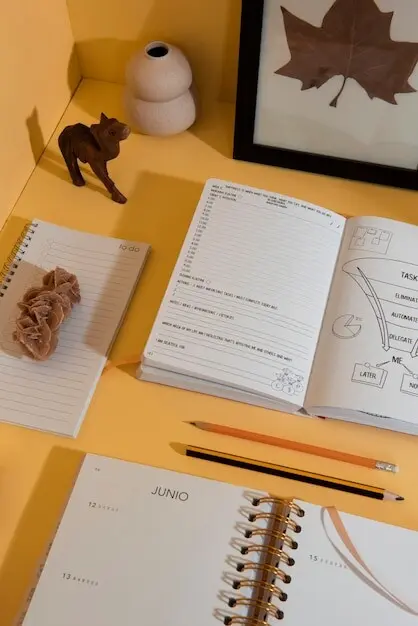
Assign each card a unique identifier and short, atomic statement. Instead of locking thinking into rigid folders, connect cards by meaningful references. Later, when you digitize, those identifiers become backlinks, making it trivial to reassemble context, trace origins, and defend judgments during writing, decision reviews, or complex collaborative debates.

Serendipitous Discovery Through Analog Browsing
Finger-walking through dividers triggers novel collisions: a sketch beside a study, a quote nudging a diagram. This physical meander resists algorithmic echo chambers, while photographs or scans capture only the keepers. That blend balances surprise with permanence, nourishing originality without drowning your digital tools in half-formed fragments that sap clarity.
Frictionless Handoff to Searchable Archives
Batch-scan curated cards by tag, push PDFs into cloud storage, and extract text with lightweight OCR. Preserve card IDs in filenames to keep cross-links alive. Now your notes become citations, slides, and specs quickly, while the physical box remains the trusted home for deep thinking and new connections.
Time Blocking with Timers, Bells, and Boundaries
A Bell That Marks Beginnings and Endings
Ritualize transitions by ringing a small bell at the start and end of focused sessions. That audible boundary calms chatter, reduces procrastination, and cues quick reflection. Capture one win on a card, then choose the next action deliberately, honoring cadence instead of chasing notifications or the loudest, latest request.
Visualizing Capacity with Colored Blocks
Print a weekly grid and shade blocks by project with highlighters. The page reveals overload instantly, turning vague stress into visible constraints you can renegotiate. When urgent work arrives, you can trade blocks consciously, document impact, and protect essential maintenance that rarely screams but quietly sustains quality and trust.
Recovering Attention After Interruptions
Keep a small card on your keyboard that always records the active task and the very next physical move. When interruptions end, you read, breathe, and resume confidently. This low-tech anchor eliminates costly reorientation, shrinks context-switch penalties, and helps you finish meaningful slices before reentering digital chatter.
Creative Workspaces that Invite Deep Work
Design a desk where analog tools stay visible and ready: paper trays, index cards, pens, and a single open notebook. Phones live elsewhere. Strong light, a comfortable chair, and a closing ritual bookend sessions. This environment tells your brain what matters, enabling brave making, honest planning, and restorative pauses.
Clear the desk, migrate unfinished items by hand, set tomorrow’s top three on a card, and place it centered. Close tabs, close loops, and close the notebook. This intentional ending preserves momentum overnight, primes morning focus, and makes reopening your work feel inviting rather than daunting or scattered.
Store pens, ruler, glue stick, scissors, index cards, and sticky notes in one shallow tray. Reducing search friction reduces excuses. When tools sit ready, starting takes seconds and finishing becomes likely. Share your kit photo with readers, compare setups, and swap favorite hacks to evolve together without expensive gimmicks.
Place a small plant, an hourglass, and a no-phone sign inside your field of view. These cues reinforce attention and signal respectful boundaries to colleagues. Combined with headphones and a visible schedule, they reduce collisions, invite autonomy, and let craftsmanship flourish amid the bright noise of connected, distracted workplaces.