From Doodles to Delightful Interfaces
Why Low-Fidelity Wins Early
Speed Over Polish
Working quickly reduces the fear of being wrong and encourages divergent thinking. With pen in hand, you can produce multiple approaches in minutes, compare trade-offs side by side, and abandon weak directions without remorse. That velocity compounds, converting small experiments into decisive insights before deadlines, stakeholder pressure, or tooling complexity begin to narrow possibilities unnecessarily.
Cognitive Load and Idea Volume
Minimal marks lighten mental overhead, freeing attention for structure, narrative, and user intent. Instead of wrestling with spacing, color, and microcopy perfection, you stack option upon option, mapping paths and contingencies effortlessly. The result is a richer landscape of alternatives, clearer bets to test, and a record of reasoning that keeps product conversations grounded when debate heats up.
Stakeholder Psychology
People critique drawings differently than polished screens. Roughness broadcasts work-in-progress, making feedback safer, more candid, and less political. Decision-makers feel invited to shape direction rather than approve a finished artifact. That shift turns reviews into collaborative problem-solving sessions, preserving momentum and trust while surfacing hidden constraints early, when changing course still costs little and yields compounding benefits.
Setting Up an Effective Sketching Ritual
The Kit You Actually Need
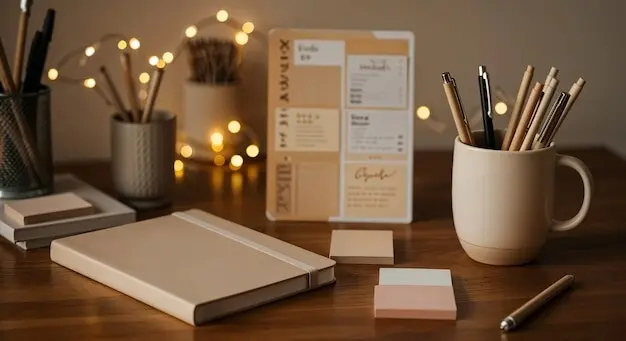
A few pens with varied thickness, stackable paper, sticky notes, and simple templates outperform crowded desks. Keep everything visible and grabbable to eliminate setup friction. Add a phone stand for quick photos, a ruler for alignment hints, and binder clips to batch explorations, preserving continuity between sessions and making handoffs to collaborators painless and fast.
Timeboxing That Sparks Momentum
Short, focused sprints prevent overthinking and accelerate iteration. Try three ten-minute rounds: diverge widely, refine promising directions, then annotate assumptions and open questions. The clock provides a friendly push, helping you ship options, not excuses. End with a minute of reflection to capture learnings and choose deliberate next steps while energy remains high and actionable.
Constraints That Encourage Exploration
Paradoxically, limits liberate creativity. For one round, cap yourself at five frames. In another, forbid text, forcing visual storytelling. Next, demand two opposing solutions addressing the same job-to-be-done. These constraints shake habitual thinking, revealing simpler paths and bolder leaps. Each restriction becomes a lens that clarifies priorities and uncovers trade-offs worth evaluating with users.
Techniques for Rapid Low-Fidelity Screens
Collaborative Workshops That Spark Alignment
{{SECTION_SUBTITLE}}
Lightning Demos with Markers
Crazy 8s Without Stress
From Pages to Wires to Clickable Models
Testing Early Visuals with Real People
Case Stories and Pitfalls to Avoid
When a Napkin Saved a Quarter
A startup nearly committed to a costly dashboard overhaul. One lunch break produced a napkin sketch reframing the journey around a single decisive task, not pages of charts. Usability checks with three customers validated the pivot. Development shrank, outcomes improved, and the team learned to question expensive cravings whenever a pencil could cheaply challenge assumptions.
The Trap of Premature Detail
Another team fixated on perfect iconography and color states before confirming the core flow. Weeks vanished, and later research revealed fundamental friction earlier scribbles had already hinted at. The fix was painful. Their new rule: validate structure first, then style. This guardrail freed capacity, focused discussions, and turned critique sessions from aesthetic debates into meaningful problem-solving.
Making Peace with Imperfection
Perfectionism delays insights. One designer kept restarting pages, chasing immaculate lines, and missed broader exploration. A mentor introduced messy warm-ups and timed rounds. Output looked worse, but decisions improved dramatically. The practice stuck: embrace roughness, capture possibilities, and reserve polish for moments when it actually clarifies. Progress, not prettiness, should be the compass guiding effort.